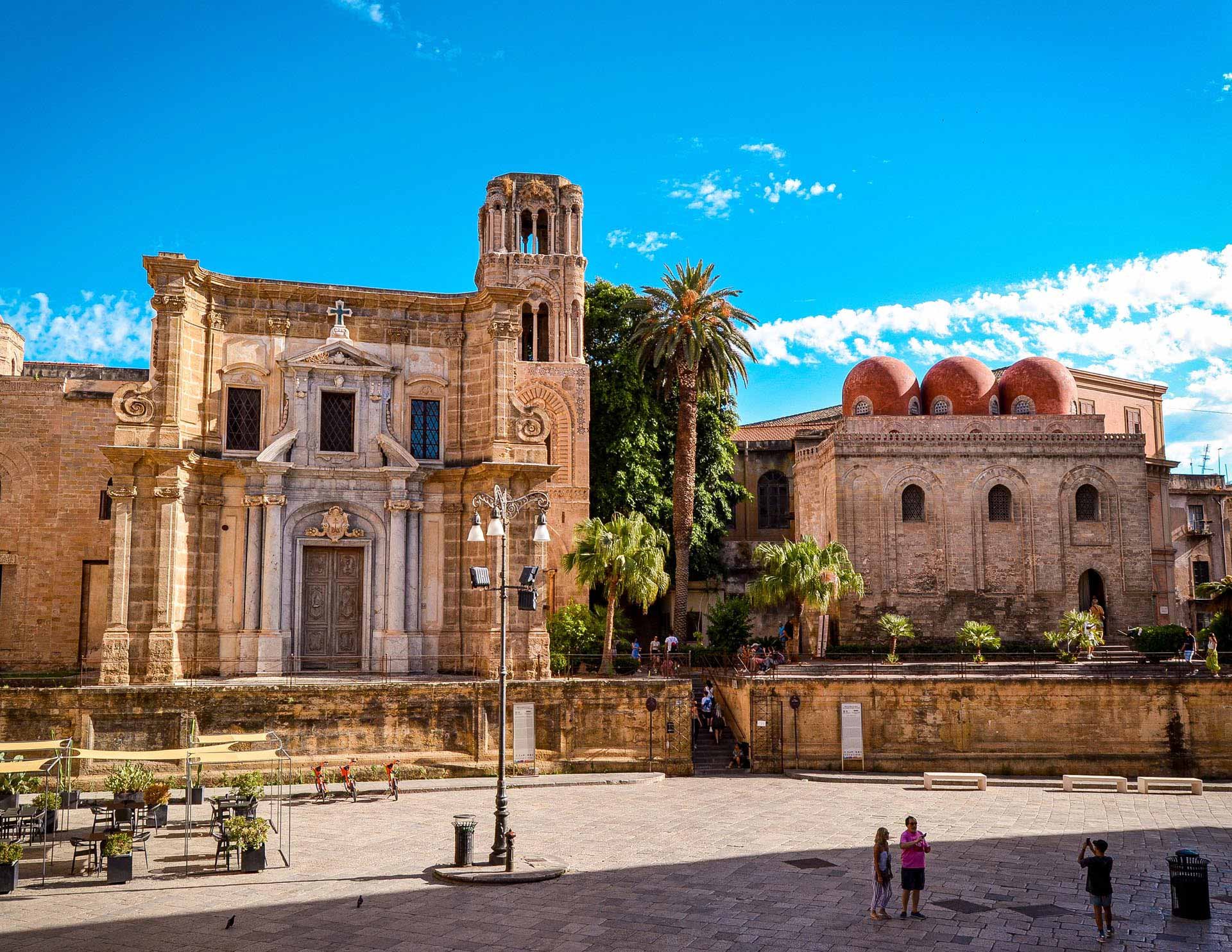
In the heart of Palermo, Massimo Plaza Hotel offers its guests a privileged location, directly opposite the prestigious Teatro Massimo Opera House. Over the centuries, the city has become a true crossroads of cultures, architectural styles and traditions, from Arab-Norman rule to the Sicilian Renaissance, and from the Baroque period to Art Nouveau. Known as “Zyz” by the Phoenicians, meaning “the flower”, it was later renamed Panormos by the Greeks and Panormus by the Romans. Today, Palermo bears witness to centuries of history, imbued with an authentic Sicilian spirit, among the colours and aromas of its vibrant markets and the art of the palaces and monuments that define the identity of its historic centre.
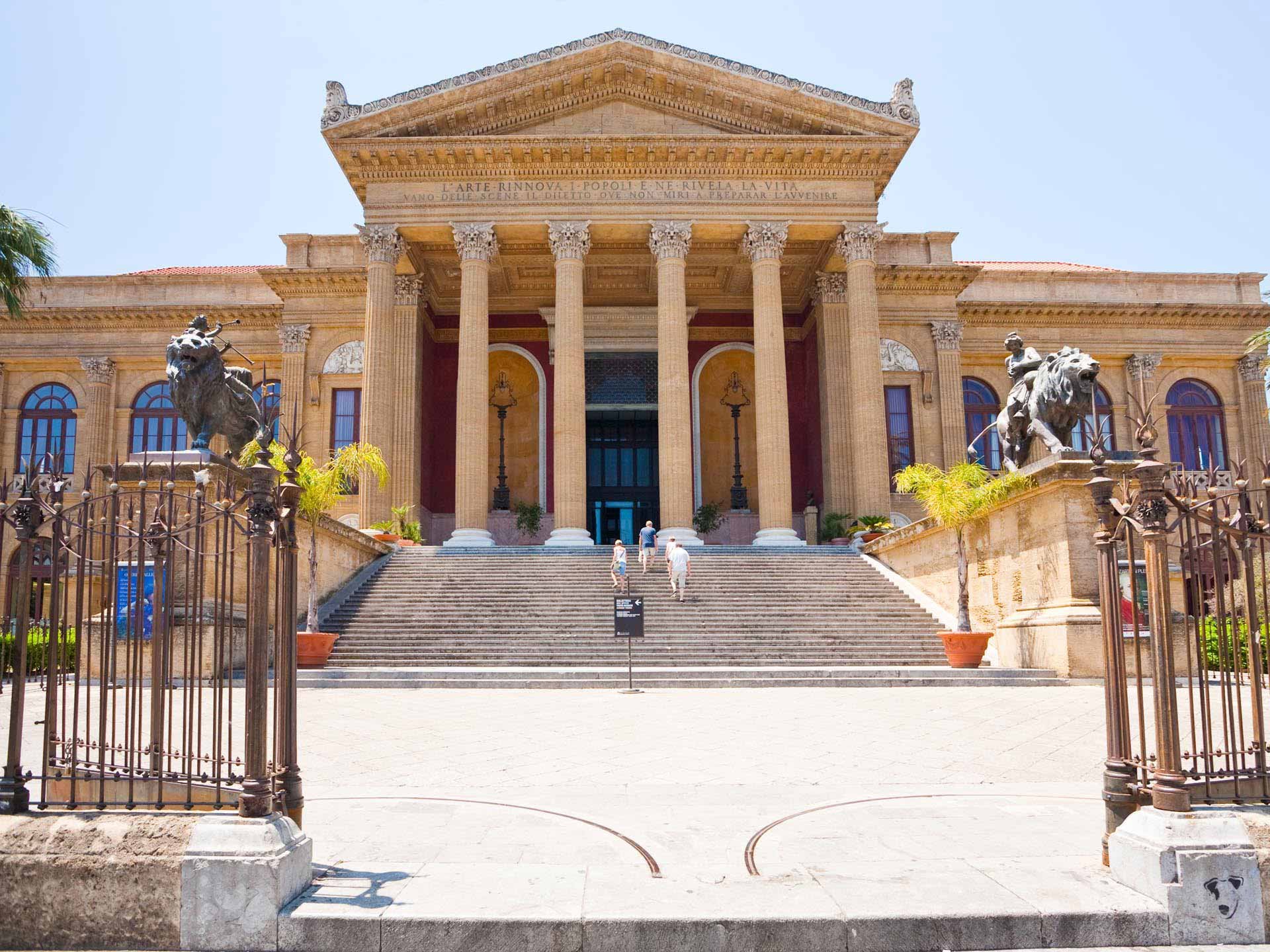
The Teatro Massimo Opera House, located opposite Massimo Plaza Hotel, was designed by the architect Giovanni Battista Basile. It is the third-largest opera house in Europe, after the Opéra National de Paris and the Vienna State Opera. Featuring a neoclassical and eclectic architectural style, Teatro Massimo is distinguished by its columns, windows, arches and imposing hemispherical dome. On either side of the grand entrance staircase stand two bronze sculptures depicting lions, allegories of Tragedy by Civiletti and Lyric Poetry by Rutelli. Teatro Massimo is dedicated to the promotion of classical music and hosts a rich theatrical season each year. It remains a symbol of Palermo and is also known worldwide for appearing in several scenes of The Godfather.
Opening Hours: Daily from 9:00 AM to 5:30 PM.

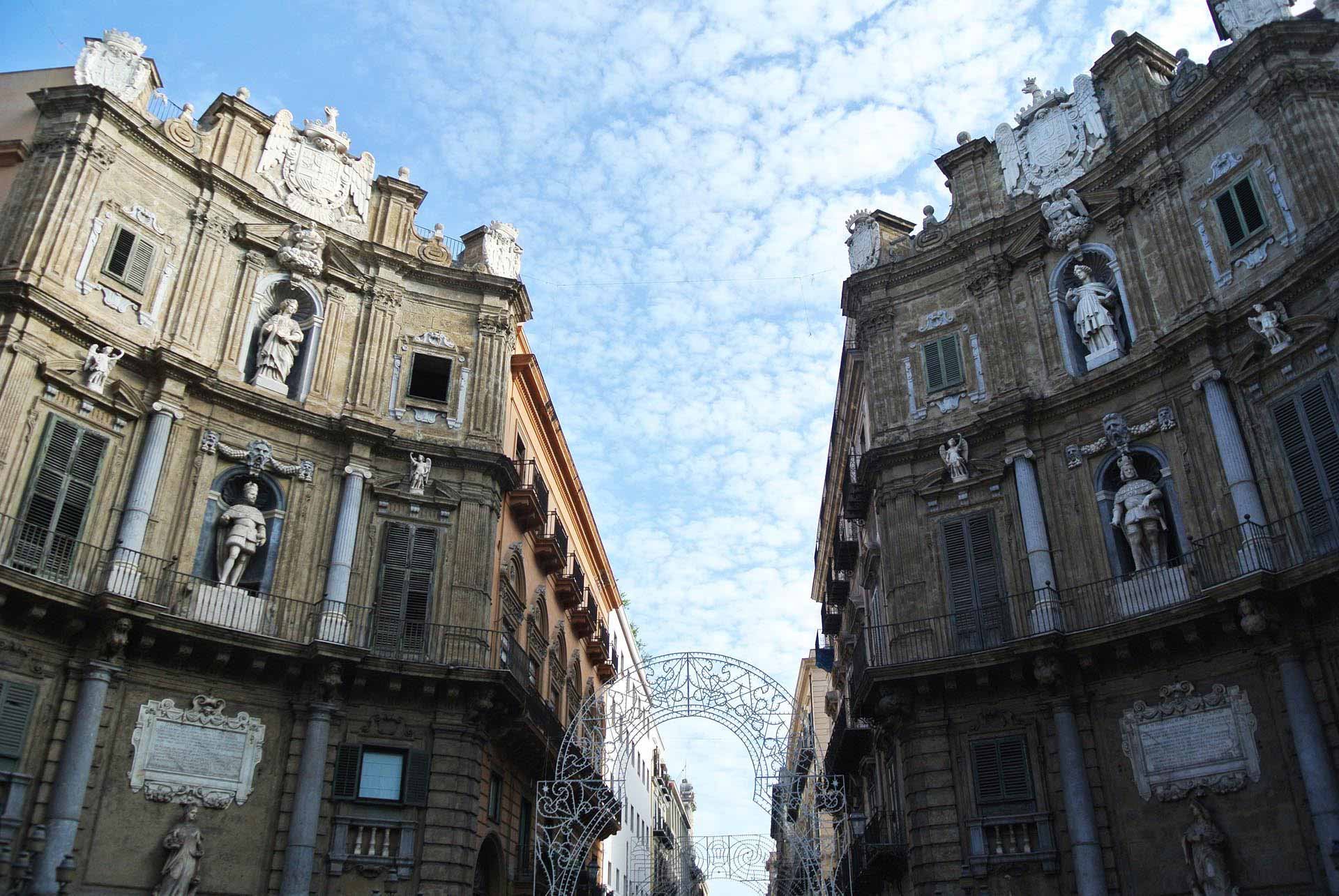
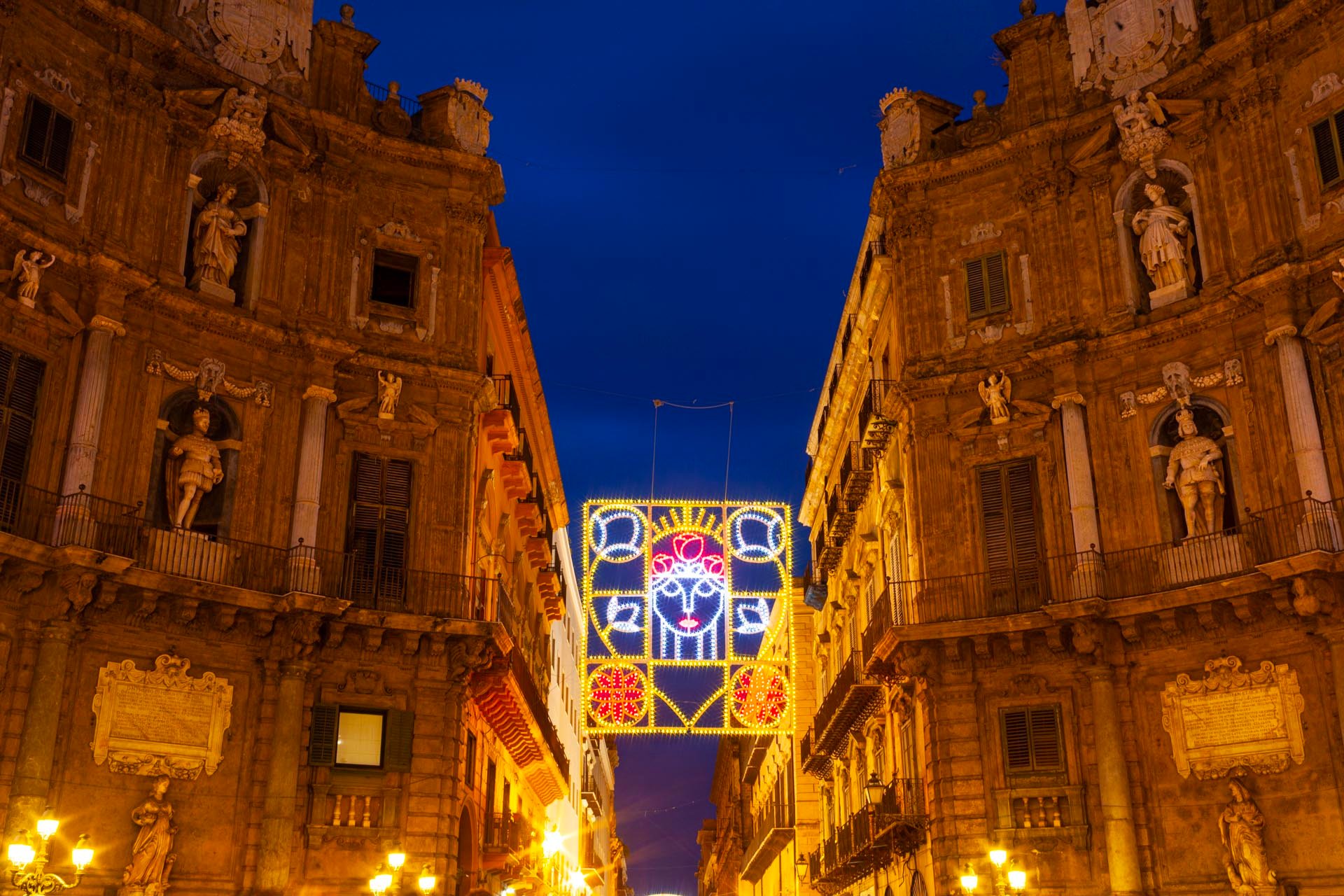
The beating heart of Baroque Palermo, Quattro Canti is the octagonal intersection of Via Vittorio Emanuele and Via Maqueda, the city’s two main streets that divide Palermo into four historic districts. Also known as the “Theatre of the Sun”, Quattro Canti features on its facades symbolic statues representing rivers, seasons, historic rulers and Palermo’s patron saints.
Among these districts, Kalsa is home to Piazza Pretoria, where the famous Praetorian Fountain stands. Also known as the “Fountain of Shame” due to the nude statues of deities surrounding it, the fountain was originally intended to adorn a garden in Florence before being sold to the Senate of Palermo in 1573, eventually becoming one of the city’s most iconic landmarks.


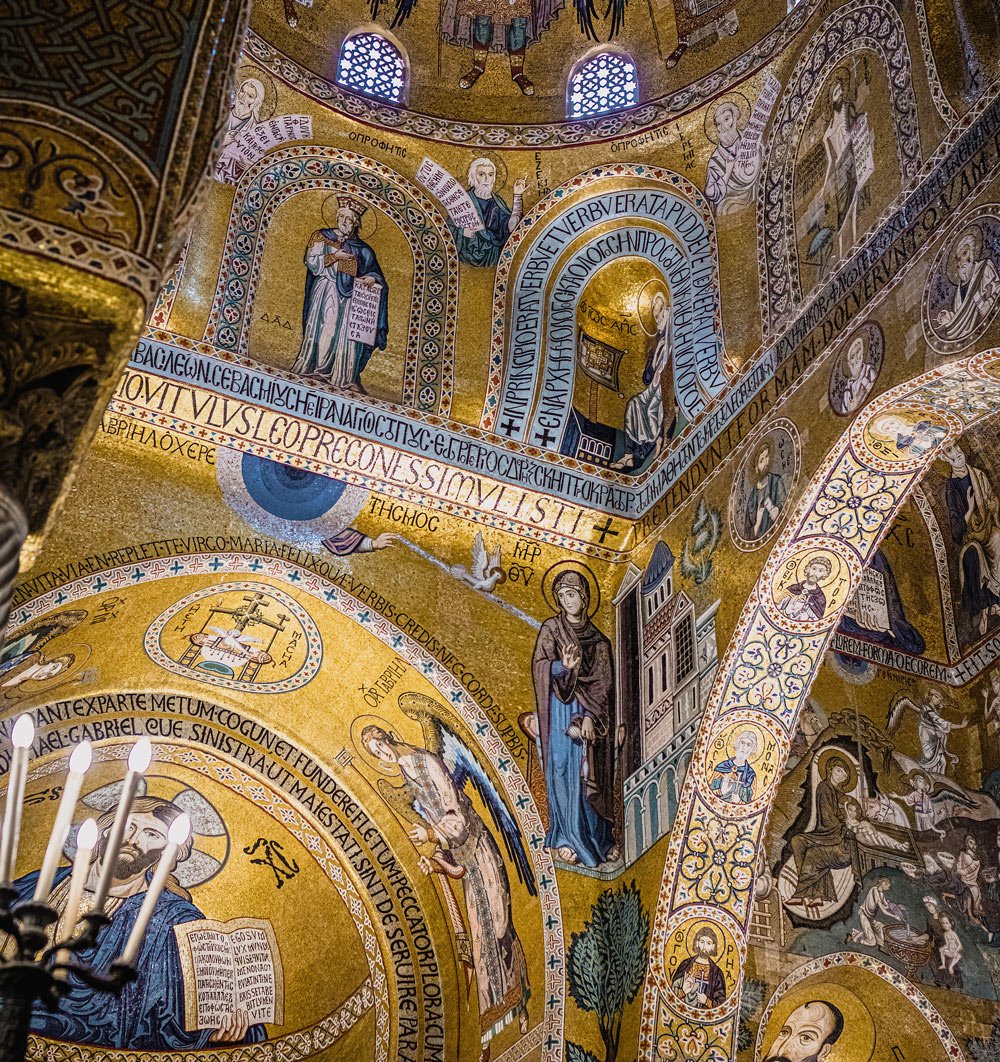
The Palazzo dei Normanni is the oldest royal residence in Europe and the seat of the Sicilian Regional Assembly. It is home to the magnificent Palatine Chapel and the Hall of Hercules. Built by the Saracens in the 10th century, it has long stood as a perfect expression of Arab-Norman art and a symbol of elegance and grandeur. The Palatine Chapel is a basilica distinguished by its stunning Byzantine mosaics and a wooden ceiling adorned with carvings of Arab origin. Its exceptional artistic and historical value led to its recognition as a UNESCO World Heritage Site in 2015. The public entrance is located in Piazza Indipendenza.
Opening Hours: Monday to Saturday, 8:15 AM to 5:40 PM; Sundays and public holidays, 8:15 AM to 1:00 PM.

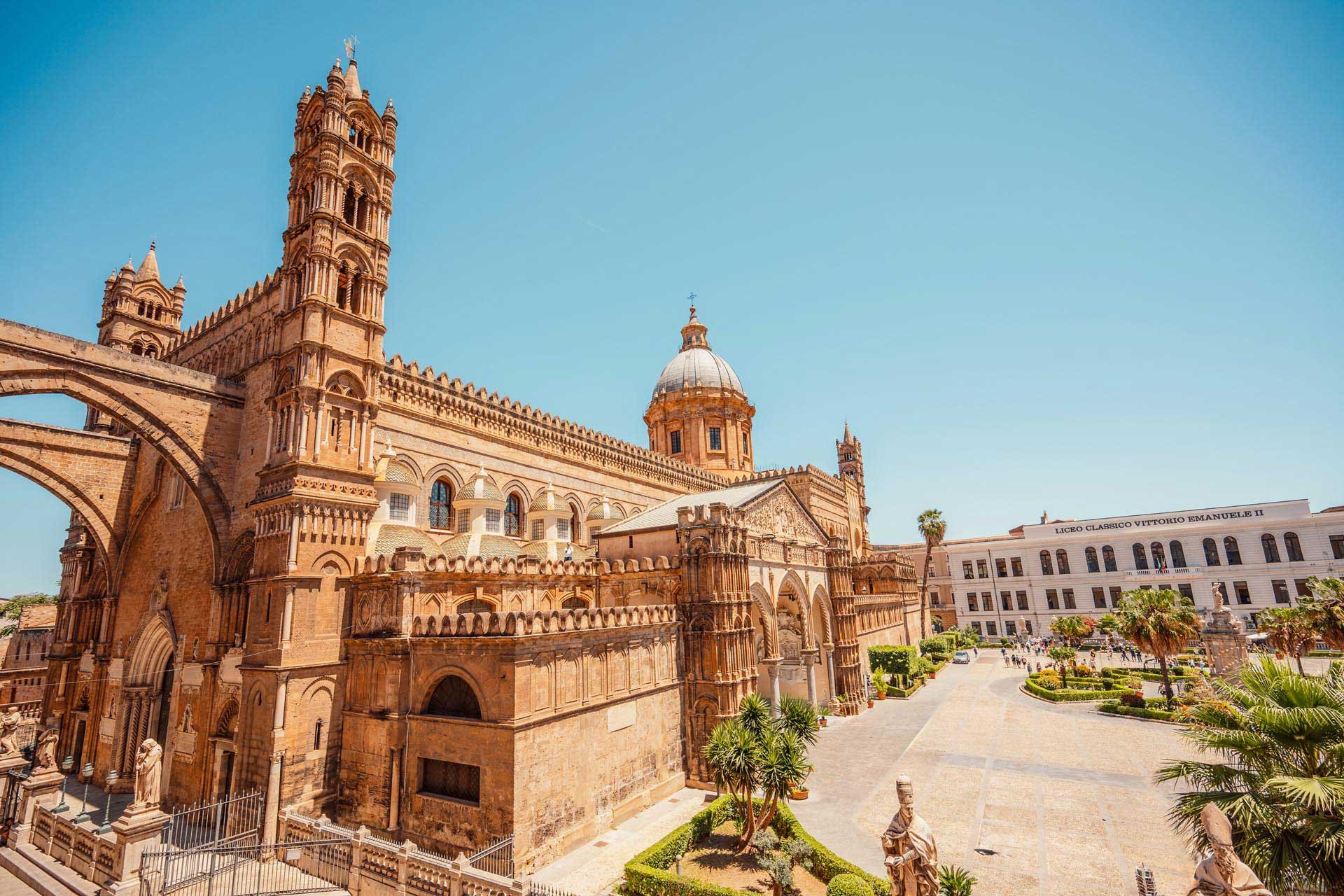
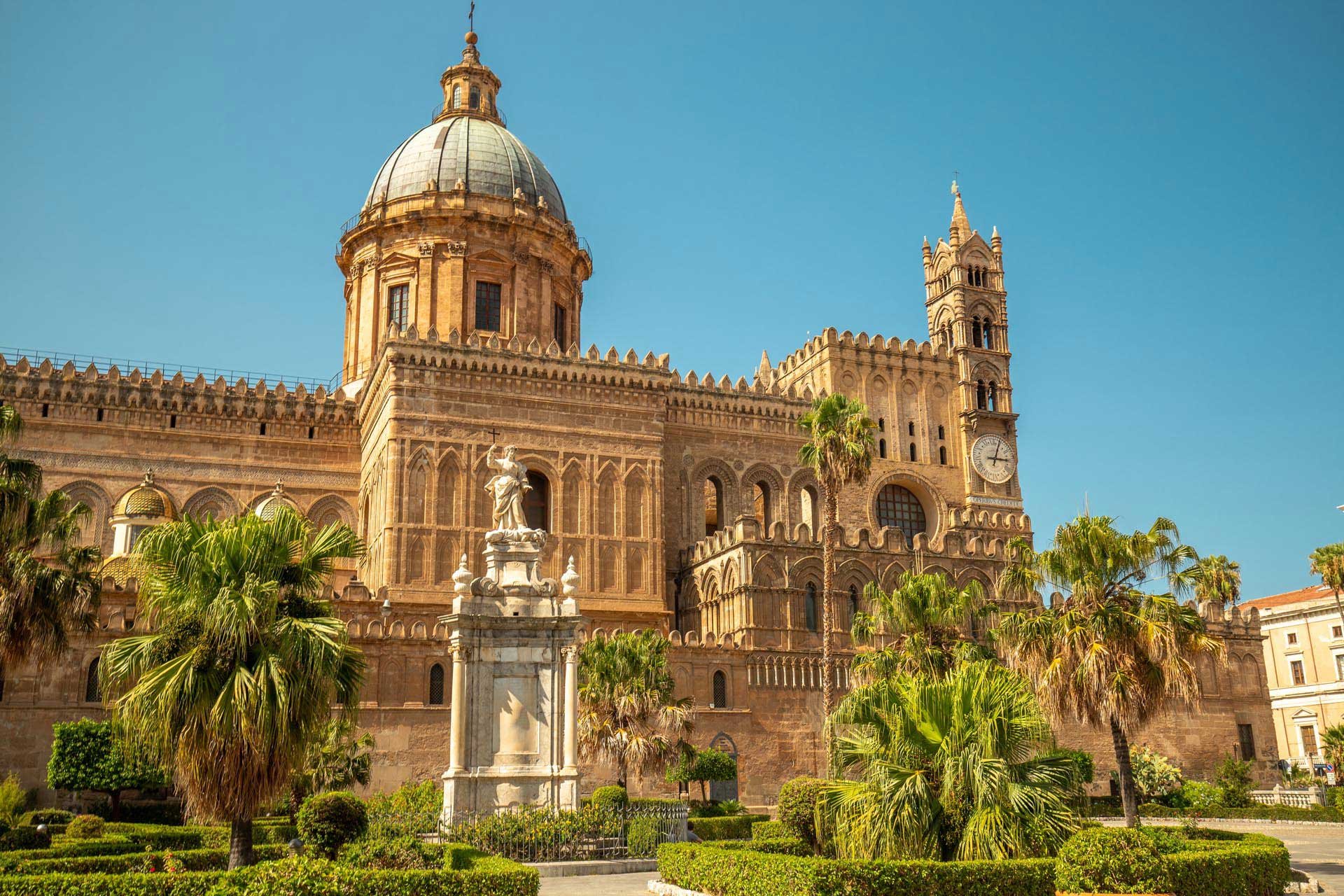
The Palermo Cathedral is one of the city’s most iconic landmarks, embodying the history of Palermo and the many kingdoms that have ruled it. Originally built as an early Christian basilica, it was converted into a mosque during the Arab period and later returned to Christian worship with the arrival of the Normans, who began construction of the present magnificent cathedral in 1184. During the Bourbon era, the building underwent extensive neoclassical renovations. Today, it stands as a remarkable blend of architectural styles that reflect its long and fascinating history, from the Arab-Norman main apse and the Gothic entrance portal to its eighteenth-century dome. The cathedral is also home to the royal tombs of Frederick II and Saint Rosalia, the patron saint of Palermo.
Opening Hours: Monday to Saturday, 9:30 AM to 5:30 PM; Sundays and public holidays, 8:00 AM to 1:00 PM and 4:00 PM to 7:00 PM.


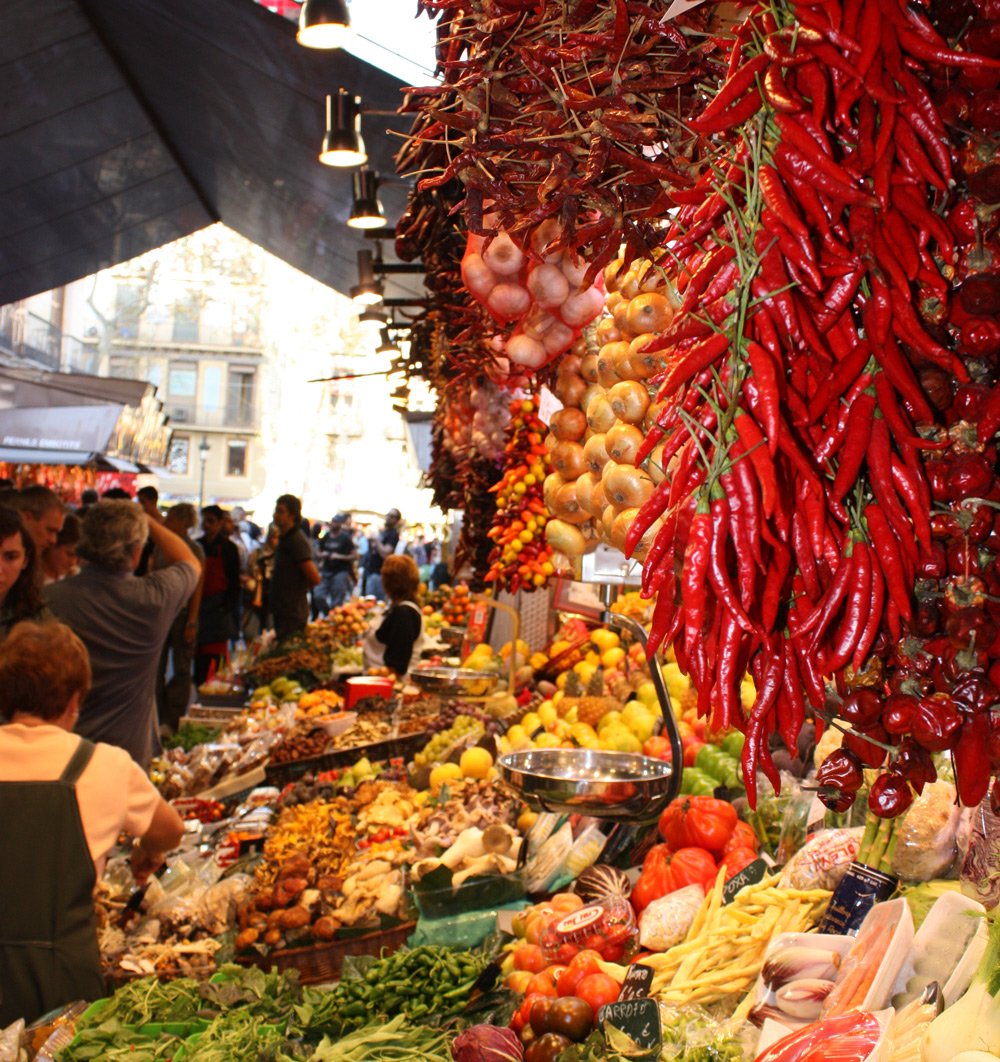
Capo, Vucciria and Ballarò are Palermo’s historic markets, where the city’s most authentic traditions can still be experienced. Here, visitors can witness the art of abbaniare, the traditional calls of Sicilian market vendors, a custom passed down through generations that remains part of daily life today. Resembling authentic Arab souks, these markets reflect the profound influence of Arab culture on the Sicilian capital and are all located within easy reach of Massimo Plaza Hotel. Among them, Capo Market, set in the ancient district of Seralcadio, once inhabited by Saracen merchants and corsairs, is particularly noteworthy. Like Vucciria, it has long been associated with the sale of meat, but today it is best known as the home of Palermo’s street food, where visitors can sample panelle, sfincione, crocchè and pane con la milza while strolling through its characteristic narrow streets.

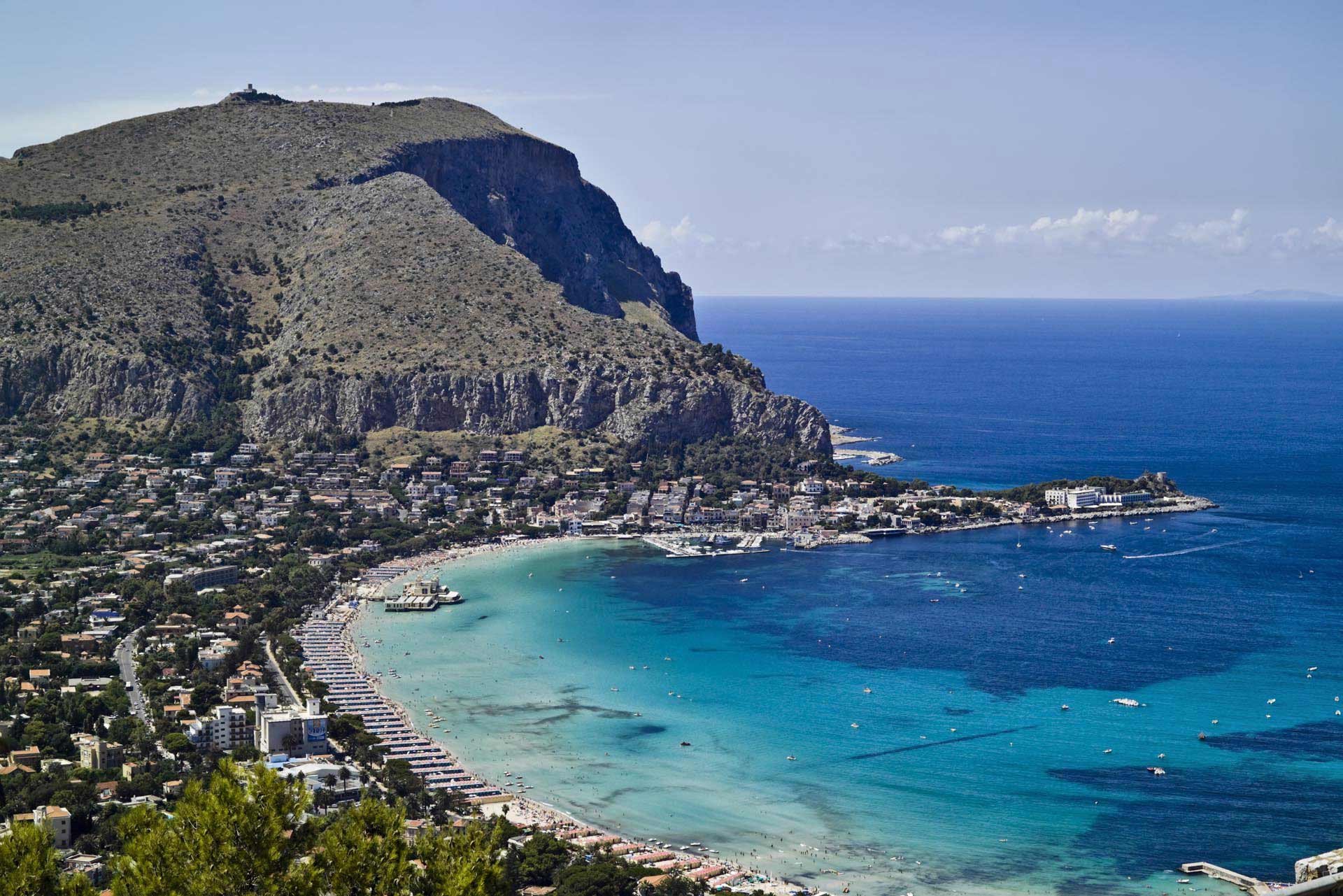
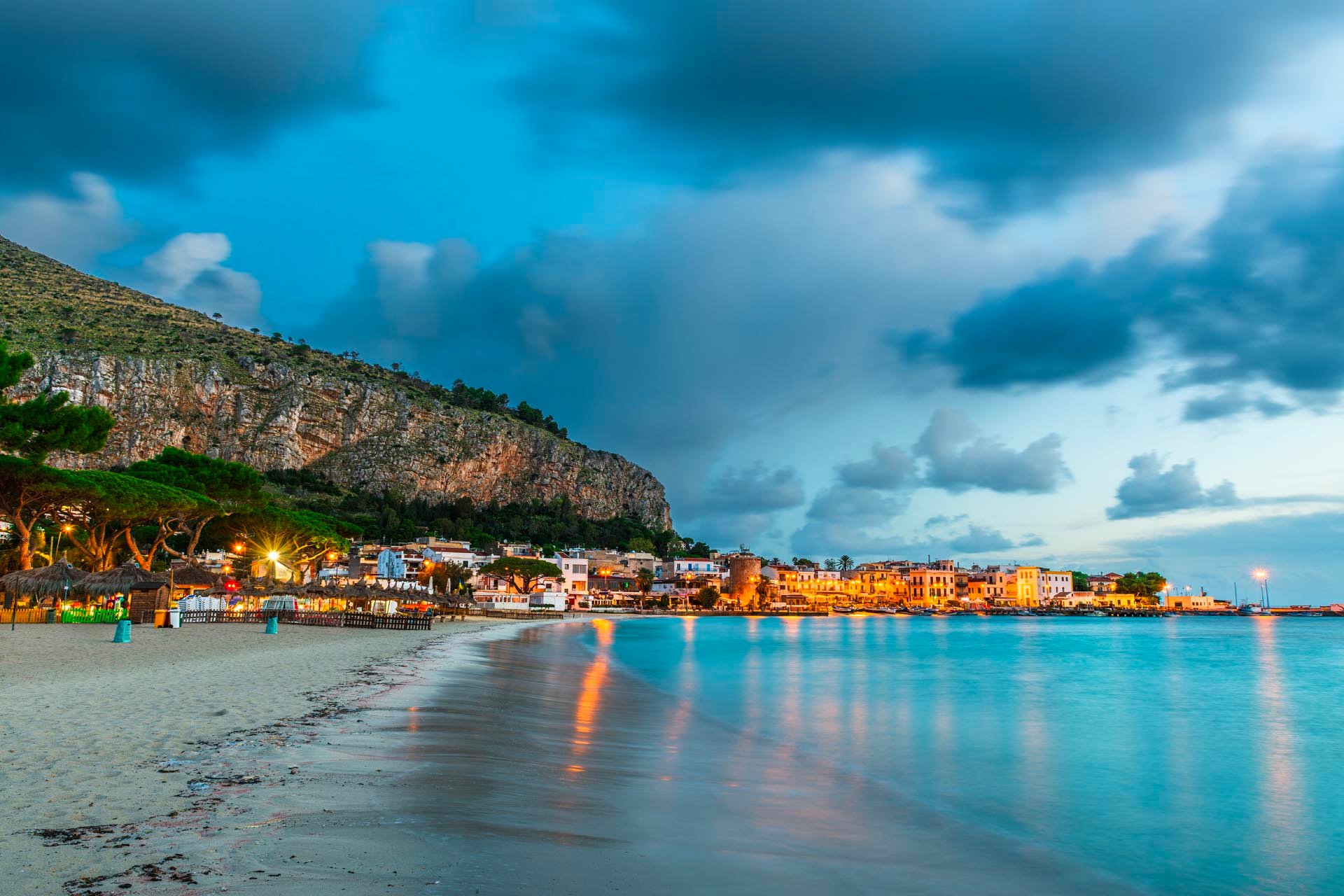
Just a few kilometres from Palermo lies Mondello, the city’s beloved seaside resort. Surrounded by Art Nouveau villas and crystal-clear waters, it offers a relaxed atmosphere, enhanced by its proximity to Parco della Favorita, the green heart of this charming coastal village. The area provides direct access to the Capo Gallo Nature Reserve and hosts the Windsurfer Palermo Open each year, along with a variety of musical, literary and cultural events. In 2016, Mondello was awarded the Green Flag, a recognition given to beaches that are particularly suitable for children and families.