
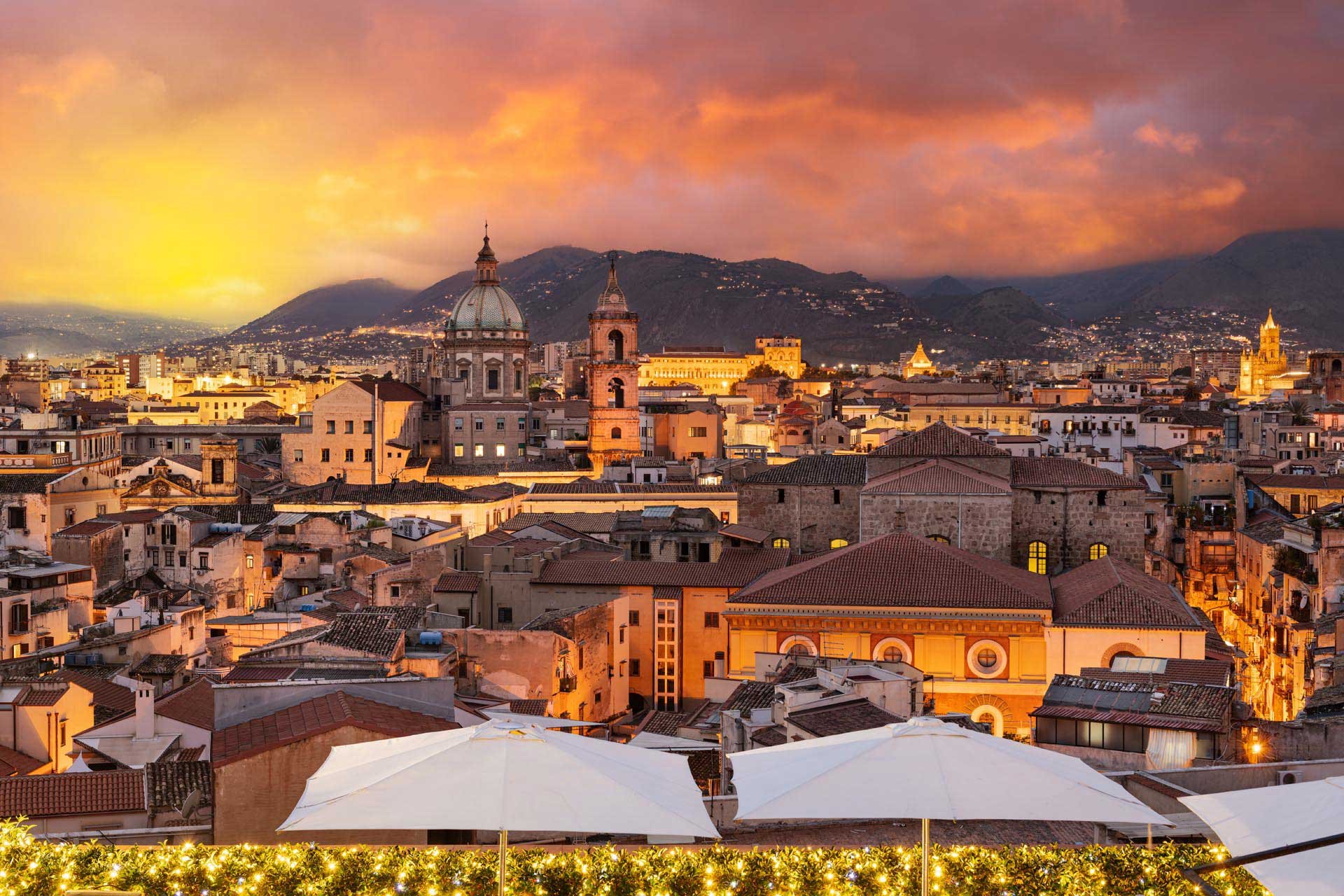
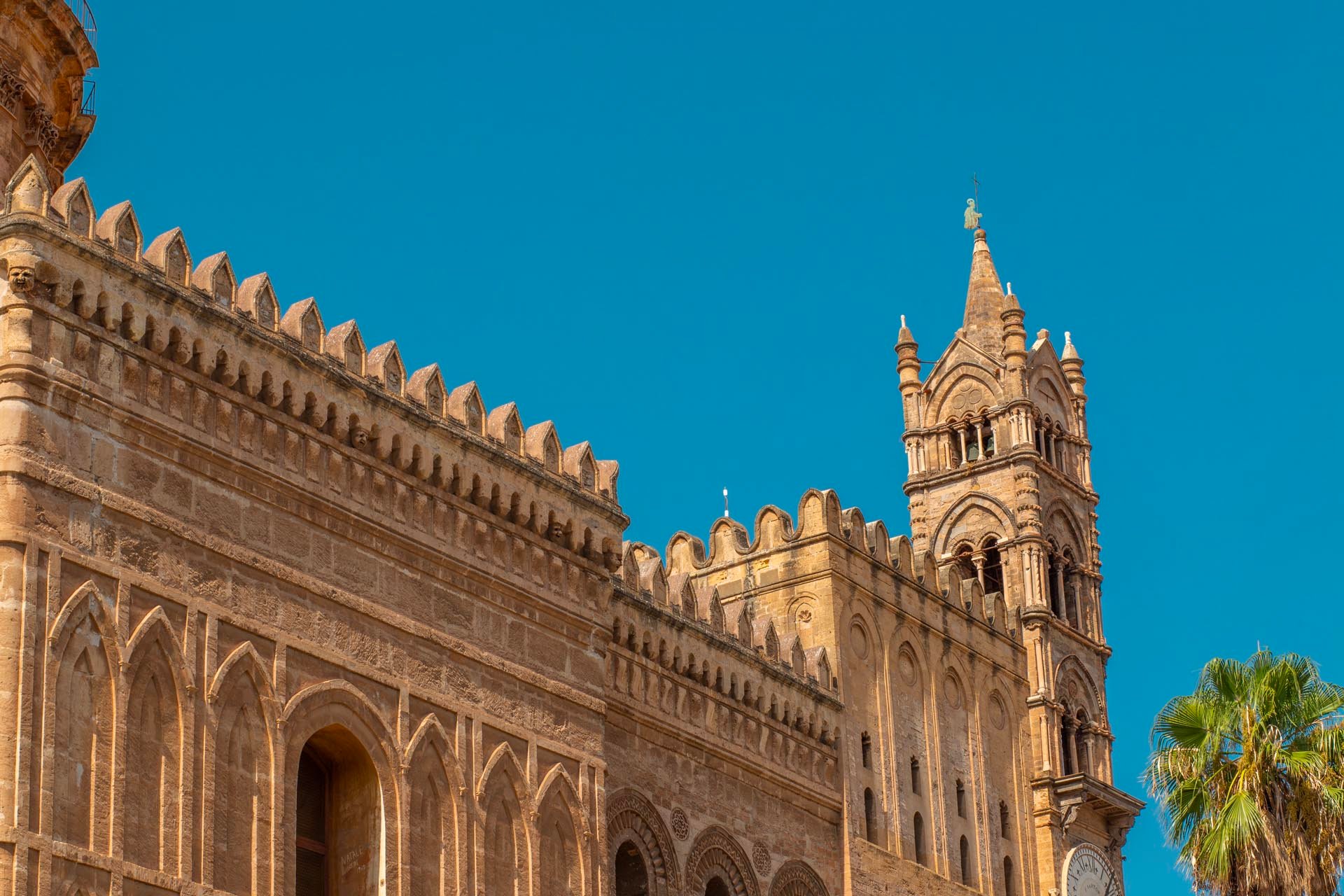
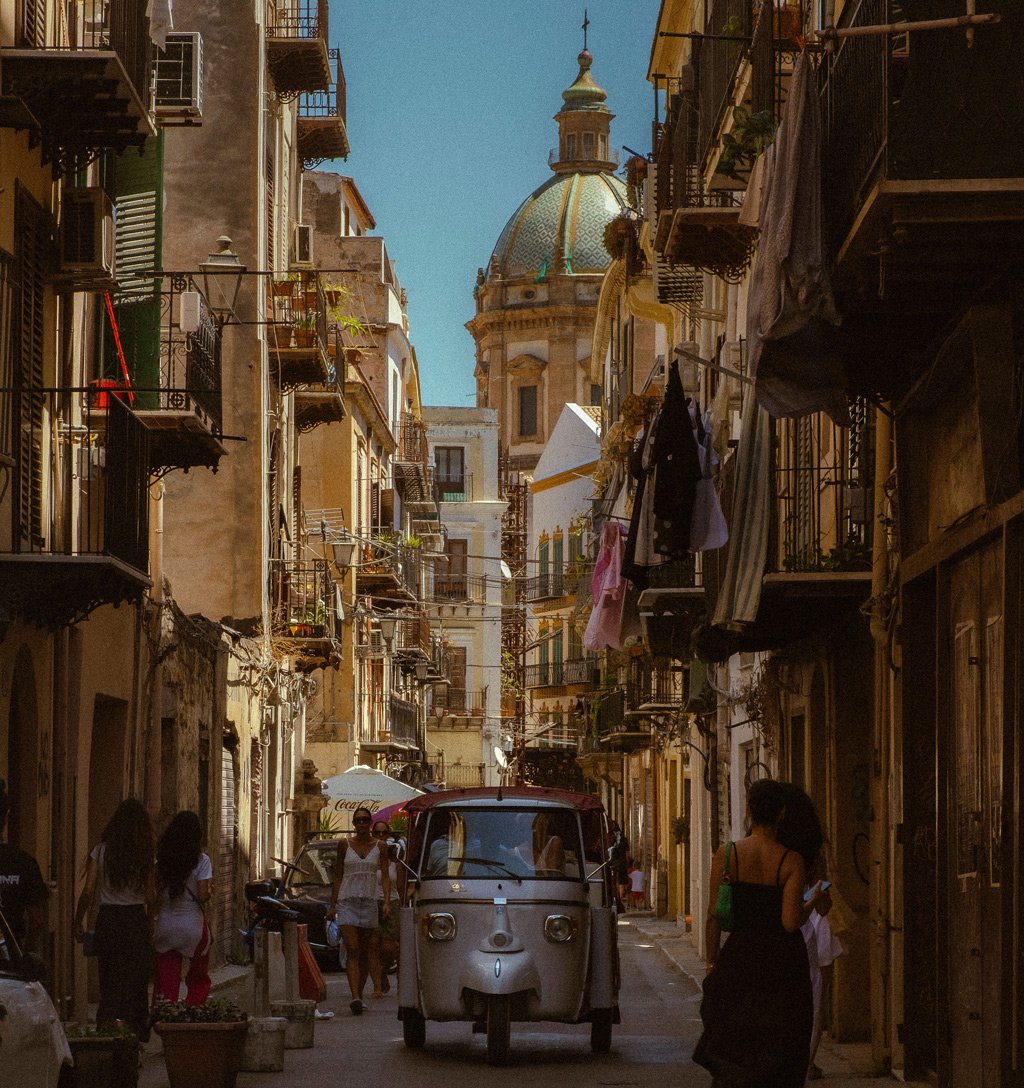
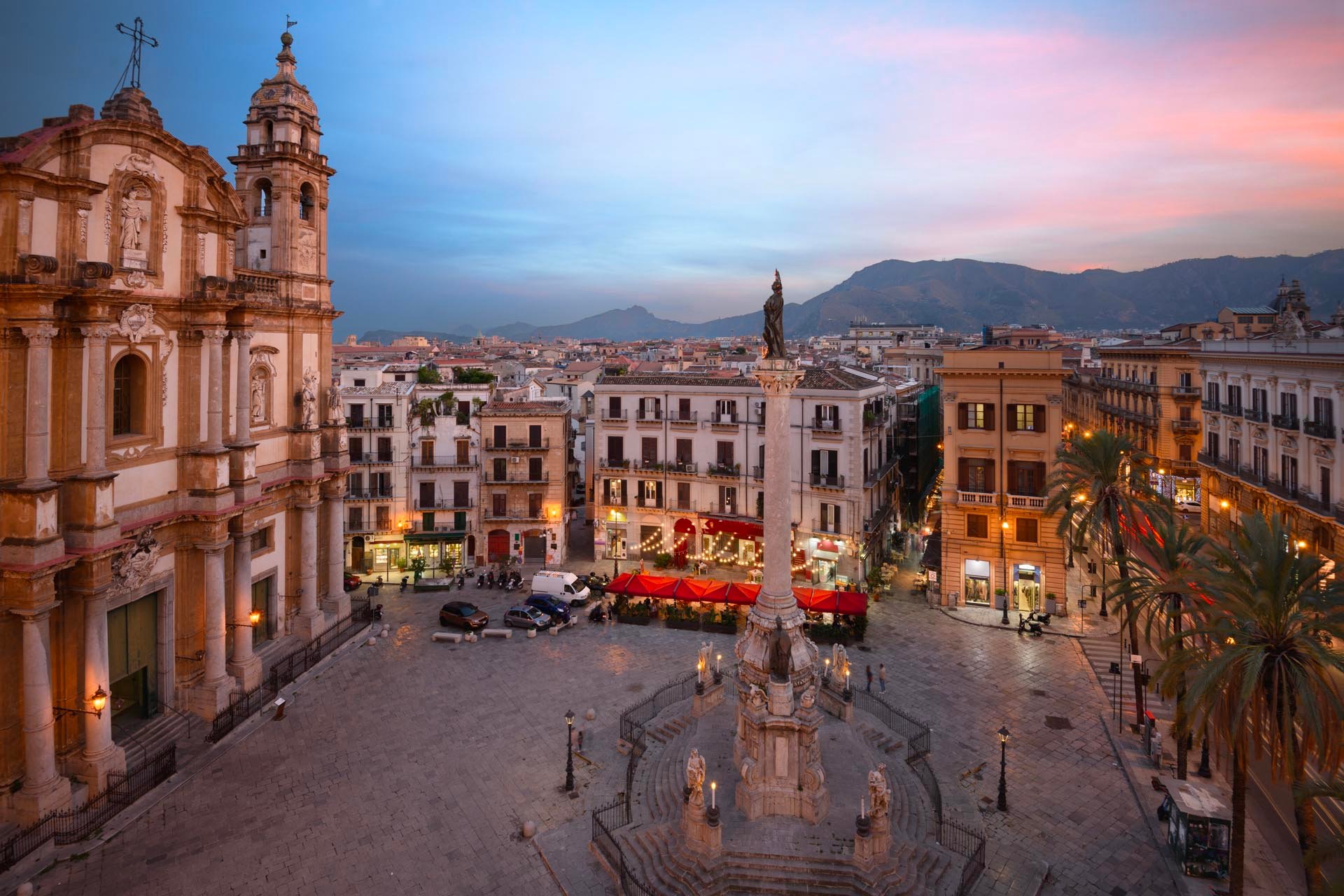
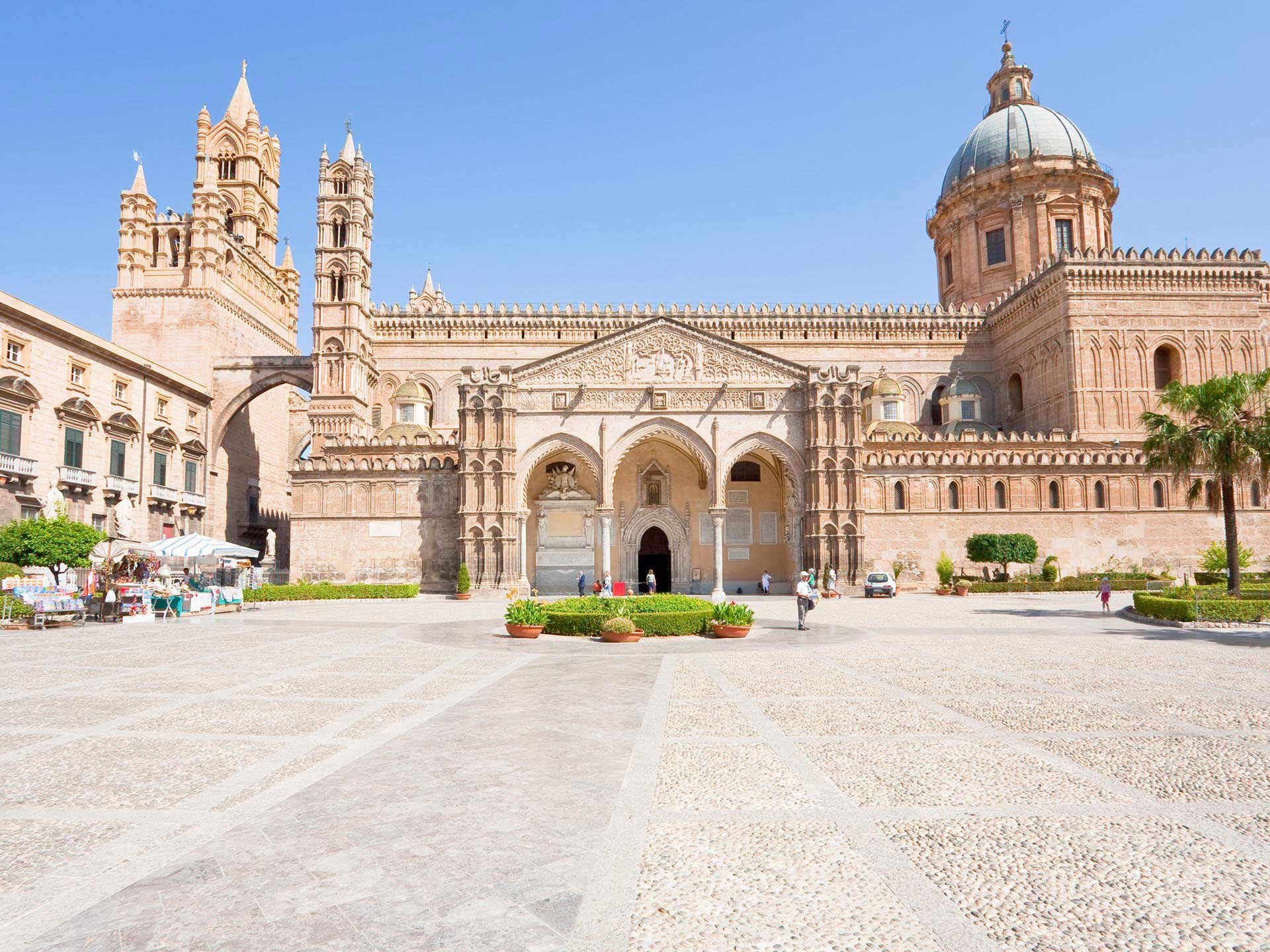
In the heart of the historic center of Palermo, dotted with Arab-Norman buildings, was born Hotel Posta.
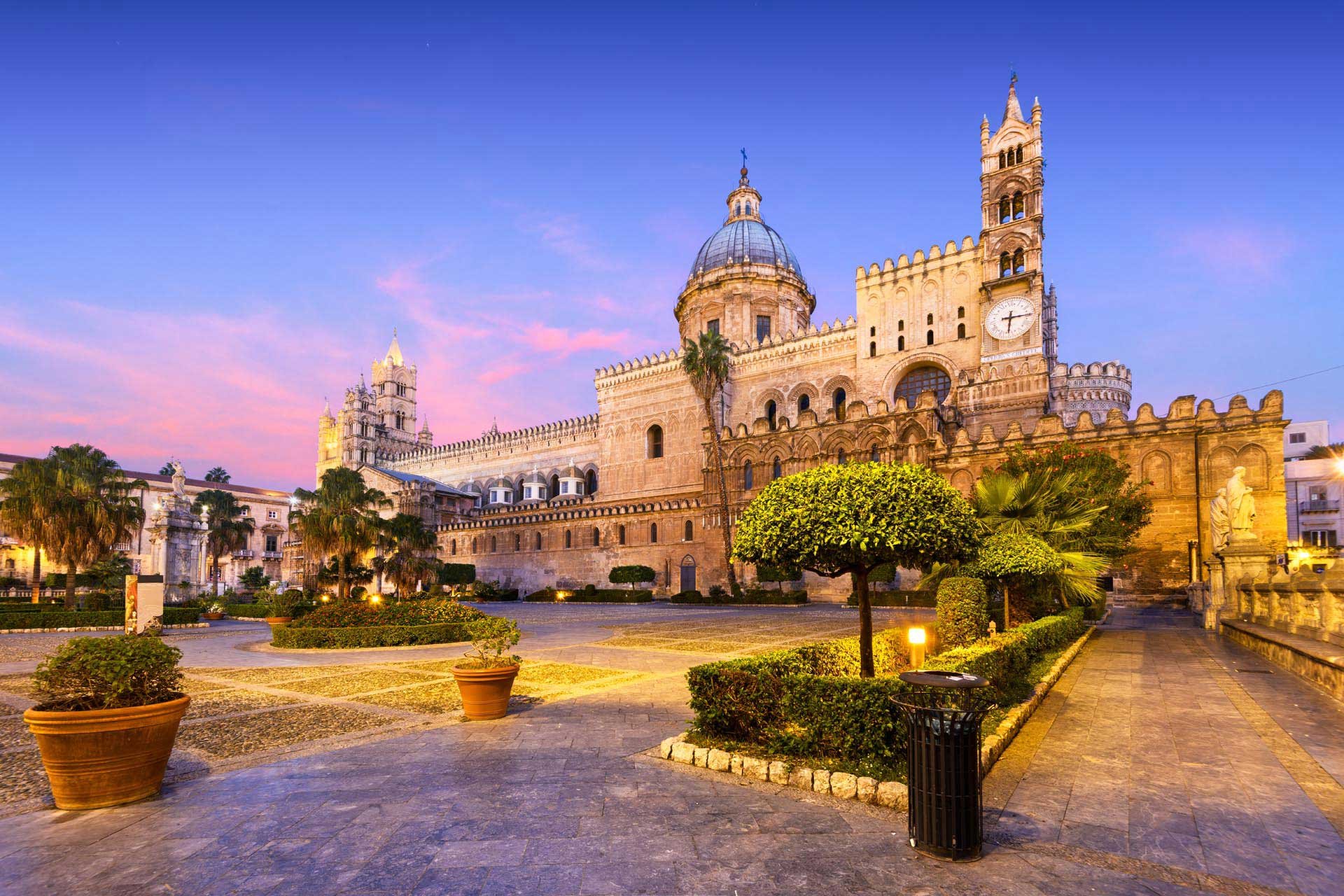
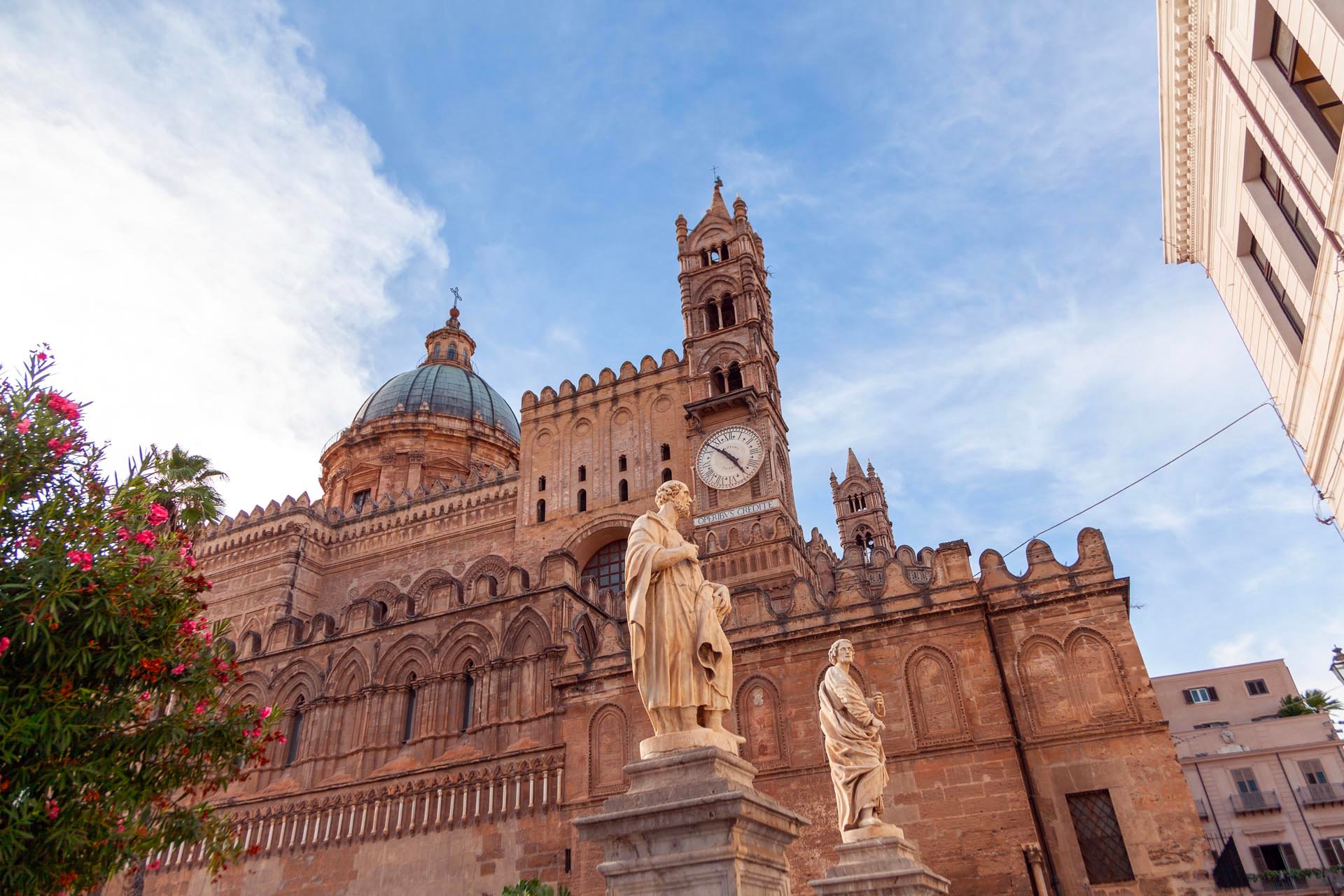
Just a few steps from the Vucciria area, Palazzo Branciforte, the Salinas Archaeological Museum, and iconic landmarks such as the Teatro Massimo Opera House and the Cathedral, Hotel Posta is the ideal starting point to discover the capital of Sicily, once known as Trinacria: nestled in the Conca d’Oro, Palermo is the cradle of an ancient civilization and still safeguards traditions, history, and culture.
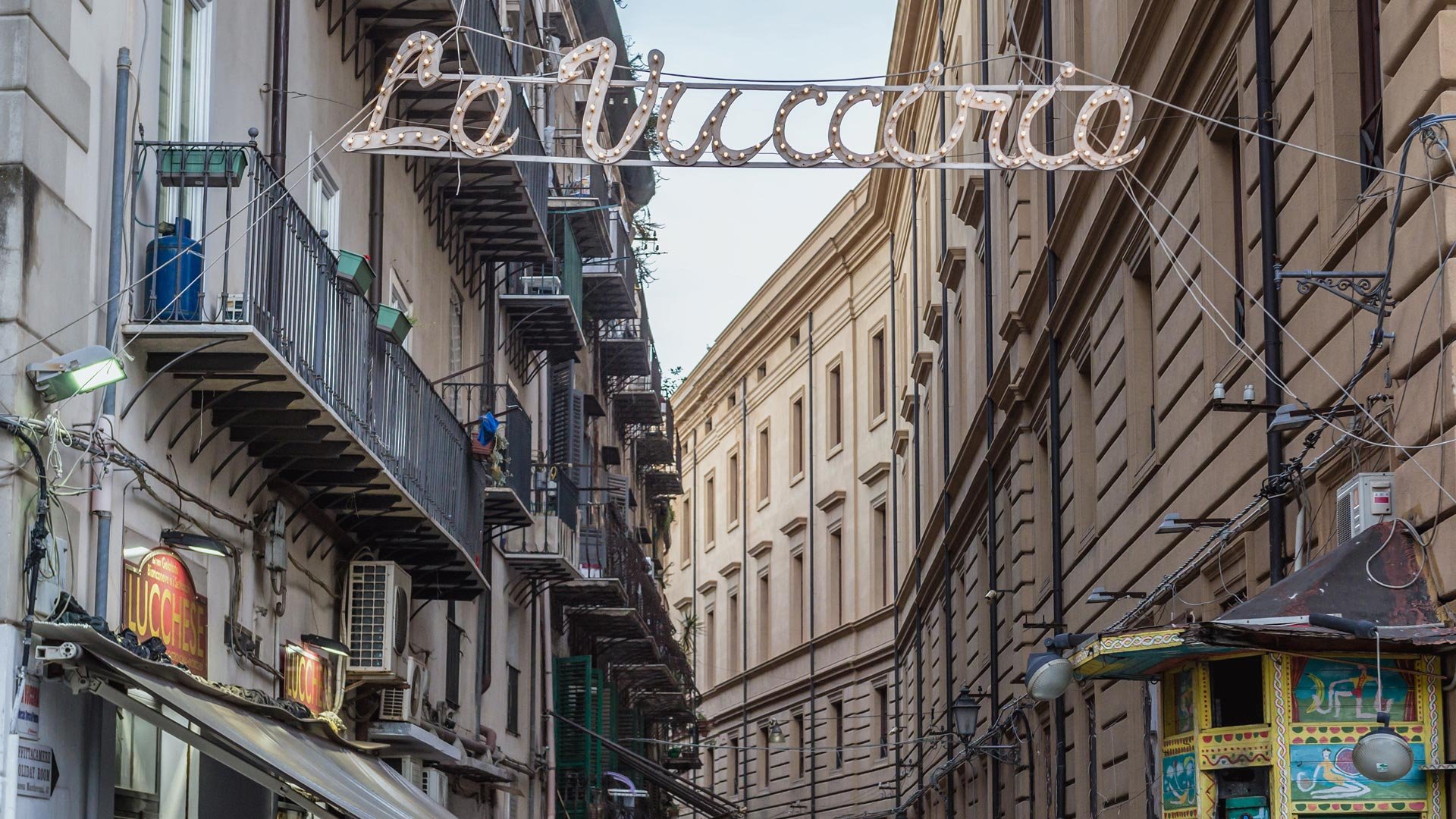
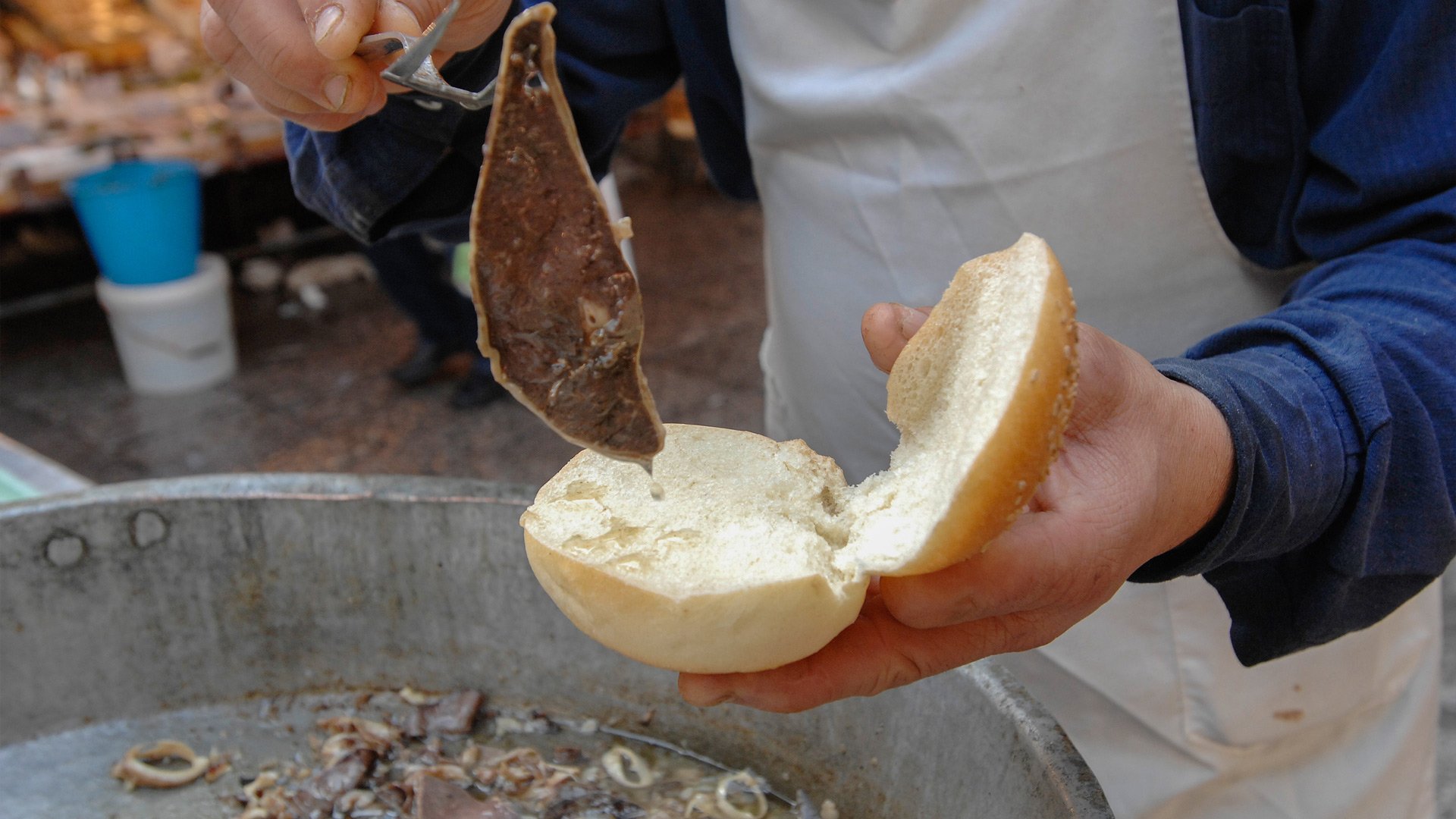
Vucciria is one of Palermo’s historic markets, together with Capo and Ballarò, animated daily by the Sicilian art of abbanniare, where the sellers bring to life a folk tradition of the region. From the French word boucherie (butcher shop), this market was originally called “Bucceria”, as it specialized in selling meat. Today, Vucciria means “chaos” in Palermo’s dialect, to evoke the liveliness of the Arab souks, from which these historic markets draw their inspiration: during the day it is a burst of colors, fragrances, and sounds that light up the city, while from sunset on it becomes the center of Palermo’s nightlife.

Just steps from Hotel Posta lies Via Roma, a street dotted with boutiques and illuminated shop windows, connecting the city center to the train station, according to a project carried out at the end of the 19th century. Via Roma used to be a maze of atmospheric streets and alleys, erased by a sharp cut in the city’s urban layout. Today, this choice, harshly criticized at the time, gives the city back a street where the influence of the Liberty period still reigns over buildings and façades, along with shops that make Via Roma a landmark for shopping in Palermo.


The Antonino Salinas Regional Archaeological Museum is one of the most significant museums in Palermo, boasting collections and archaeological artifacts of great value, dedicated to the history of Western Sicily from Prehistory to the Middle Ages: from the Phoenicians to the Etruscans, passing through the Egyptians, Romans, Greeks, and Byzantines, at the Salinas Museum you can retrace the history that has defined the Sicilian identity. It lies within the former convent of the Oratorian Fathers, originally arranged around three late-Renaissance courtyards with porticoes and marble arches.

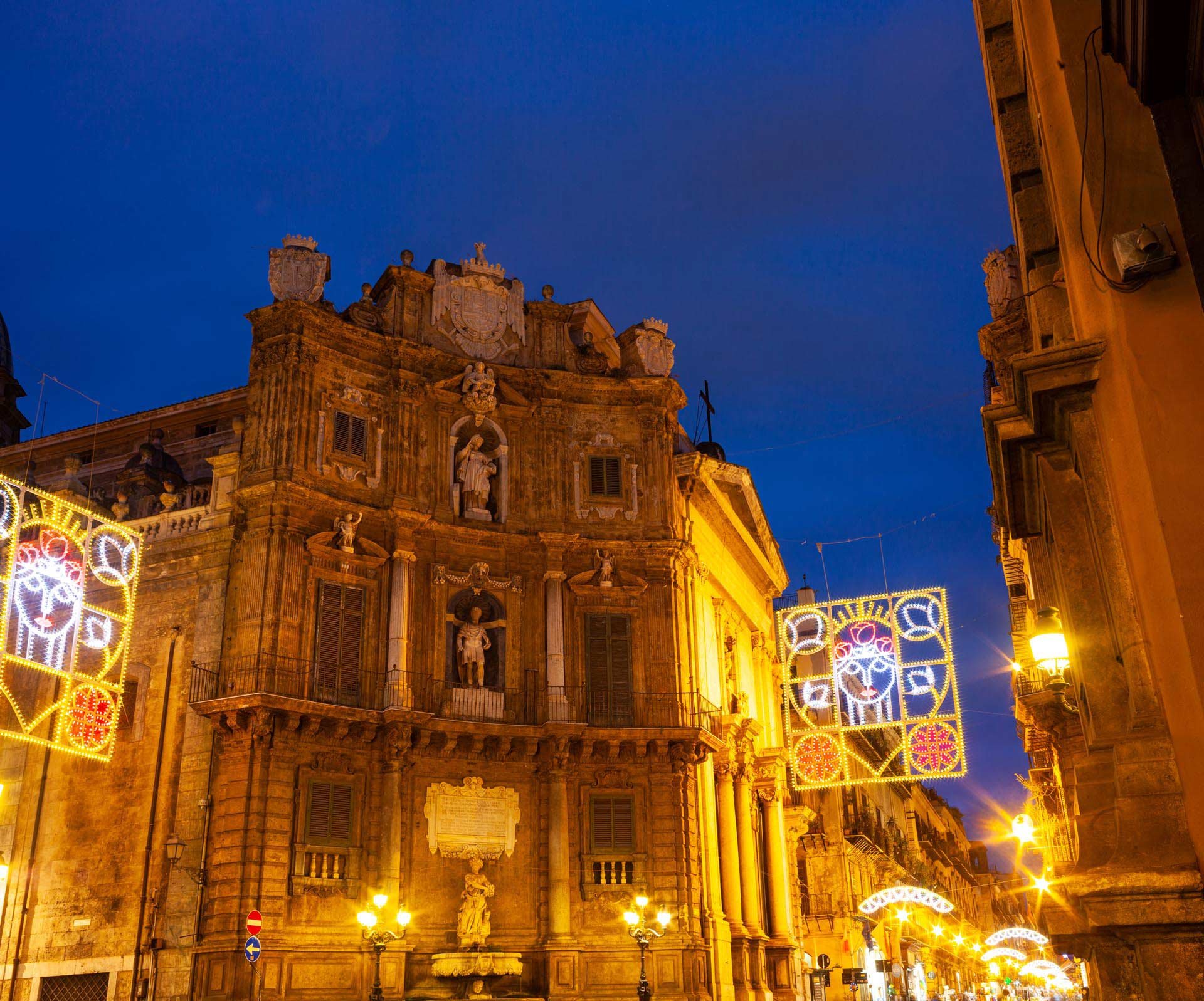
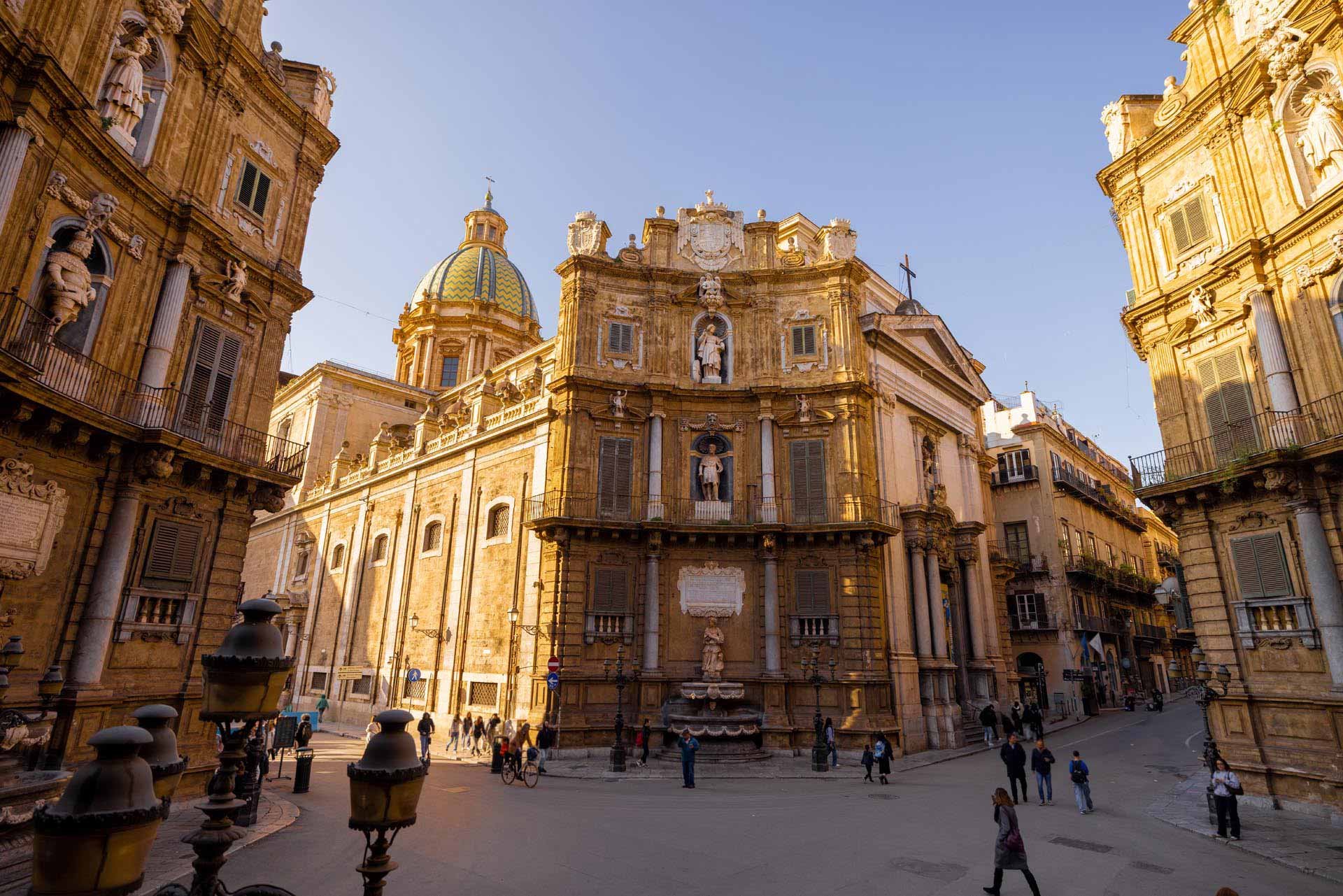
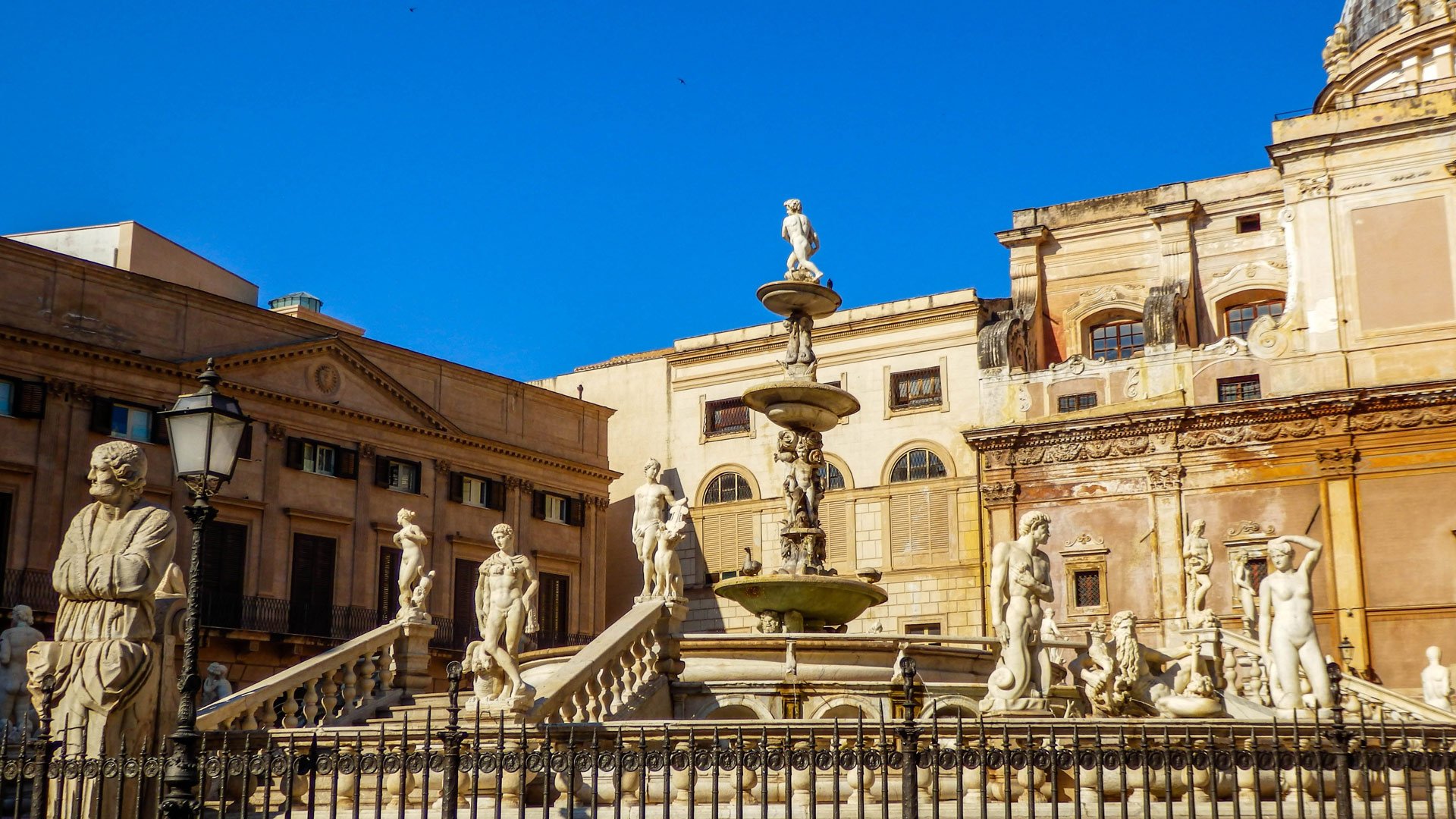
The Quattro Canti, built between 1609 and 1620 at the behest of the Marquis of Villena, are the octagonal crossroads at the intersection of Via Maqueda and Via Vittorio Emanuele: from here the four mandamenti branch off, the historic neighborhoods that characterize the center of Palermo. Also known as the “Theater of the Sun” for the Baroque façades, alternately illuminated by the sun, the Quattro Canti are located next to Piazza Pretoria, which houses the spectacular Pretoria Fountain: known as the “Fountain of Shame” for the statues of Greek deities that surround it unclothed, it is one of the symbols of the Sicilian capital.


Just steps from Hotel Posta, the Palazzo Branciforte Museum is a sumptuous historic residence of Palermo, built in the 16th century and acquired at the beginning of the 17th century by the family it is named after. It is known for its historic role as a pawnshop, which it held starting in 1801, when the Branciforte family of Butera ceded it to Palermo’s Senate, turning it into the Monte dei Pegni di Santa Rosalia. Restored starting in 2008 by architect Gae Aulenti for the Banco di Sicilia Foundation, it reopened to the public in 2012 as a museum, where numerous artistic and archaeological exhibits can be found, along with temporary exhibitions and cultural and food-and-wine conferences, thanks also to the Branciforte Restaurant and Emporium: an unmissable dive into the beauty of art and history for those who have chosen to stay in the artists’ hotel in Palermo.

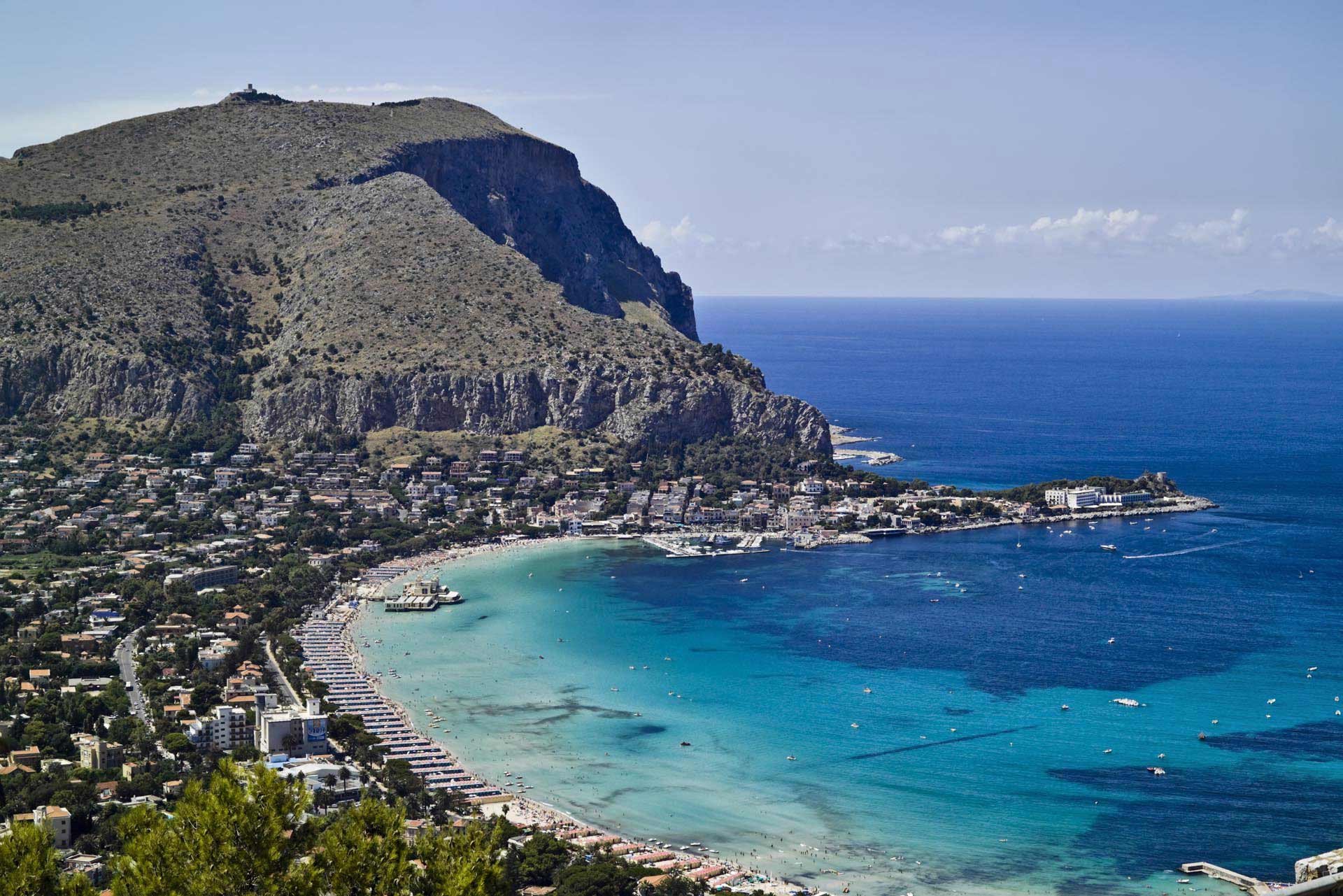
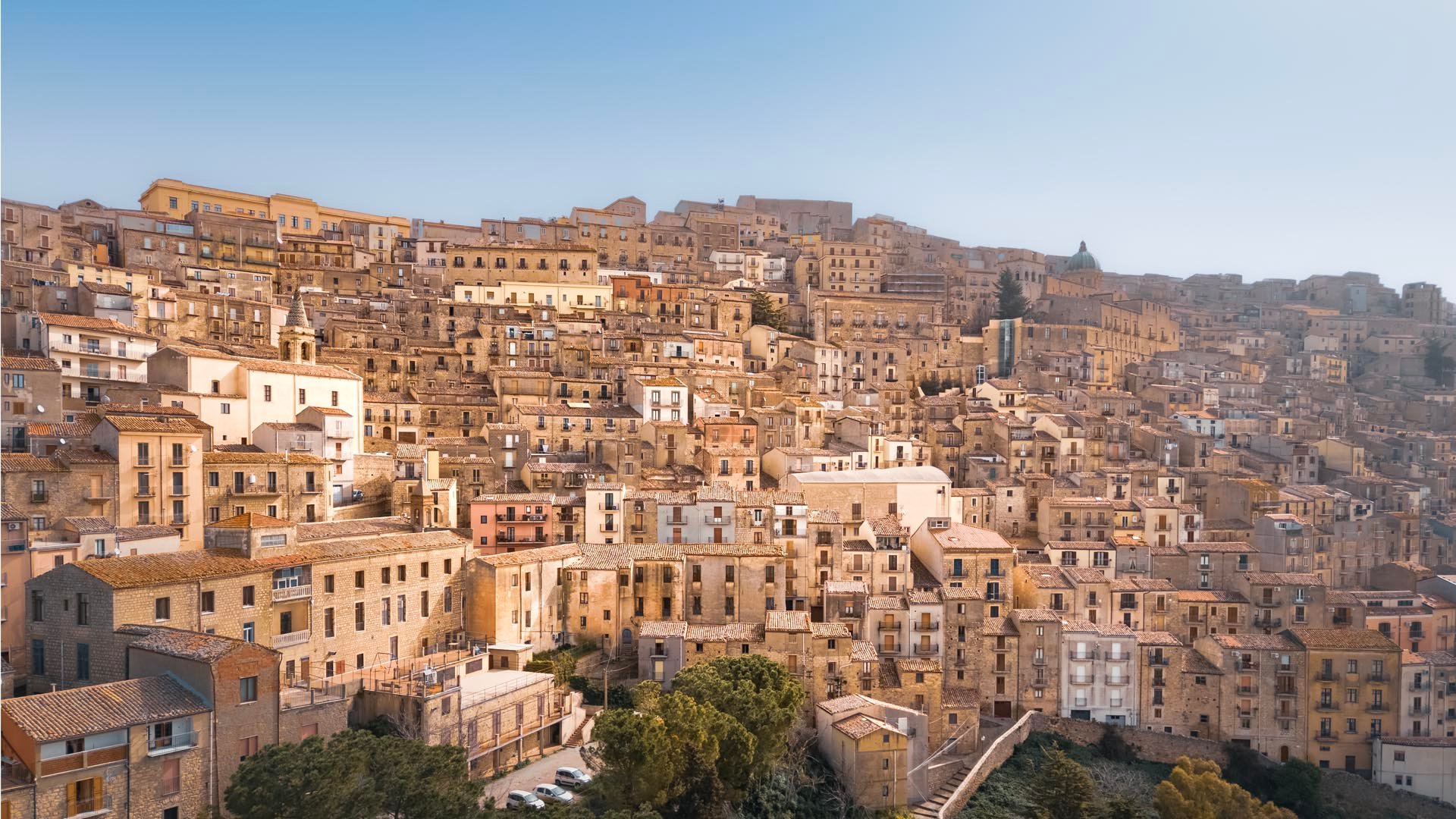
The hinterland and coast near Palermo also offer atmospheric destinations such as Gangi and Mondello, capable of fascinating visitors from all around the world. On one side, Gangi, a village perched on Mount Marone, in the heart of the Madonie Mountains, characterized by narrow lanes and small stone houses, where time seems to have stood still. On the other side, Mondello, the quintessential seaside resort of Palermo’s people, where beaches with fine sand meet crystal-clear waters, becoming every year the favorite destination of windsurf lovers, but also of those who love to stroll among charming Liberty-style villas dotting Palermo’s coast.

